
Introduction
Modern agriculture is being transformed by new technologies that improve productivity and strengthen access to essential resources. Pneumatic water well drilling rigs are an important part of this change. By increasing drilling efficiency and helping farms develop reliable water sources, this equipment supports smarter and more resilient agricultural production.
What Is a Pneumatic Water Well Drilling Rig?
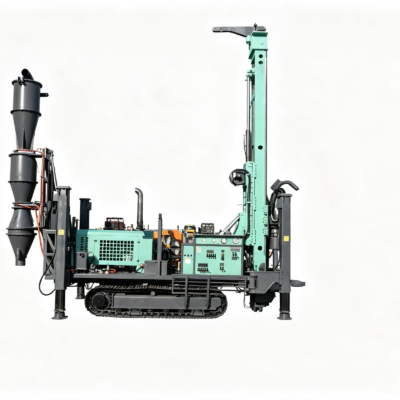
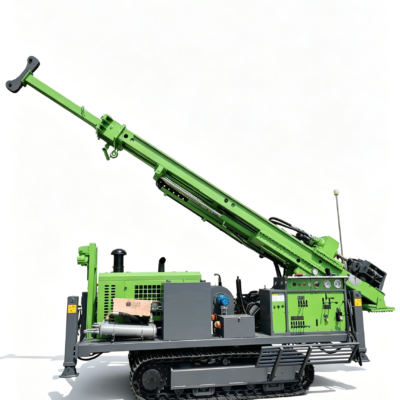
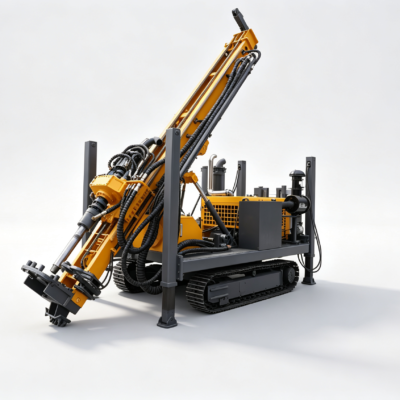
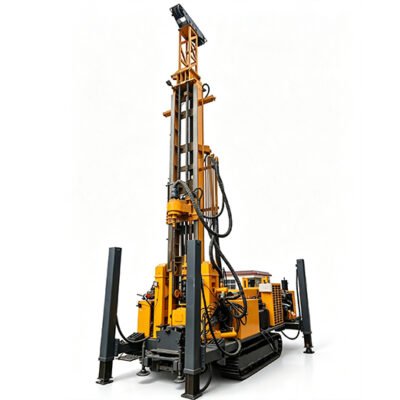
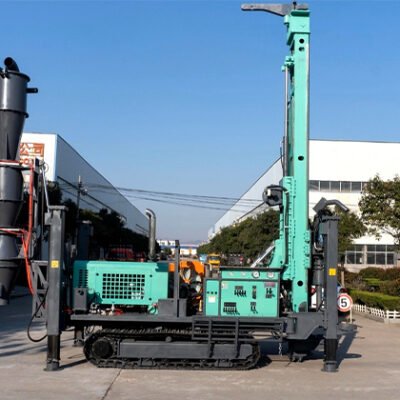
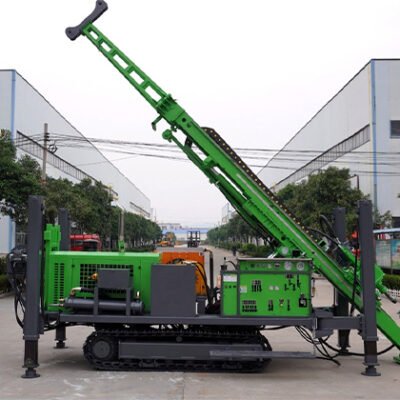
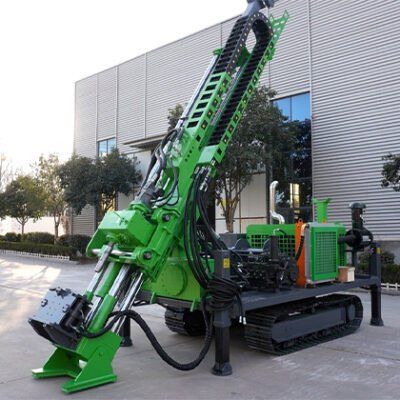
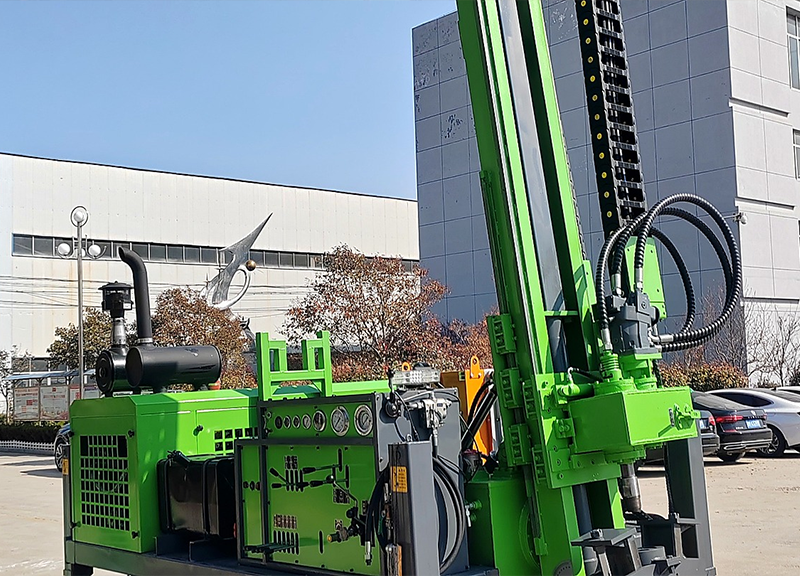
A pneumatic water well drilling rig uses compressed air to power the drilling process. Compared with many traditional mechanical methods, it offers flexible operation and can be configured for different geological conditions. Tasks that once required many days of heavy manual work can often be completed much more efficiently with properly selected drilling equipment.
Key Advantages
Pneumatic rigs can reduce labor requirements and shorten drilling schedules by using compressed air and a coordinated power system to break rock and remove cuttings. Their controls are generally straightforward, allowing trained operators to become familiar with the equipment quickly. With appropriate operating procedures, the method can also reduce unnecessary disturbance to the surrounding site.
How the Technology Supports Agriculture
Reliable groundwater access is especially valuable during dry seasons. A drilling rig can help establish irrigation wells for fields, greenhouses, livestock facilities, and rural communities. More dependable water supplies can improve crop planning, reduce drought-related production risks, and create better conditions for local agricultural development.
Future Outlook
As drilling and control technologies continue to advance, pneumatic rigs are expected to become more efficient and easier to manage. Training, technical support, correct geological assessment, and responsible groundwater development will remain essential. Used as part of a complete agricultural water plan, pneumatic drilling equipment can contribute to long-term rural productivity and sustainable development.