
Introduction
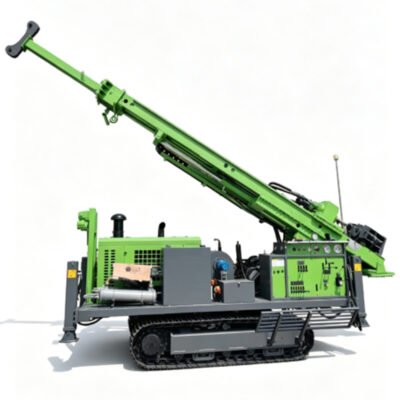
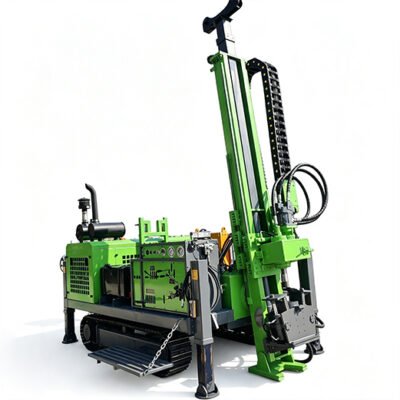
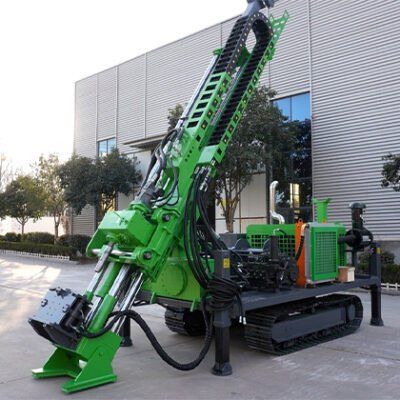
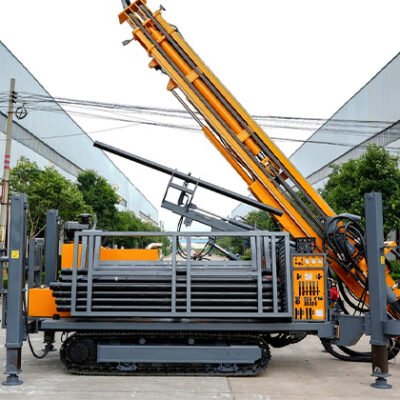
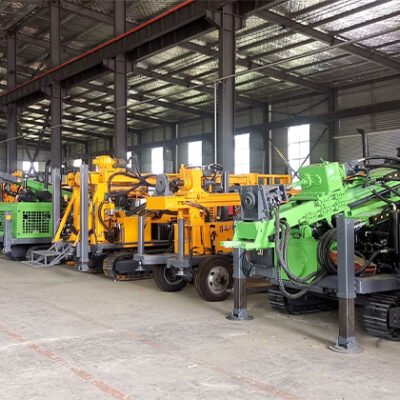
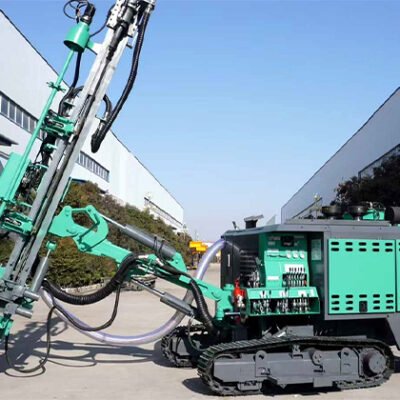
Manufacturing is moving toward greater digitalization, automation, and process visibility. Pneumatic water well drilling rigs are benefiting from this transformation through more standardized production, improved control systems, equipment monitoring, and data-supported maintenance.
Improving Efficiency and Controlling Cost
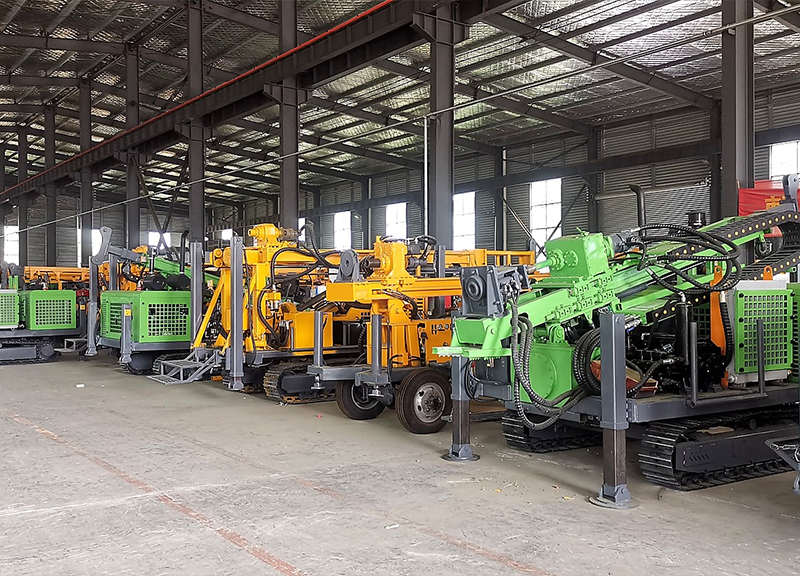
CNC machining, digital inspection, and standardized assembly can improve component consistency and reduce production variation. In field operation, better matching between the rig, compressor, hammer, and drilling tools can shorten operating time and help reduce unnecessary fuel and maintenance costs.
Integration of Intelligence and Automation
Sensors and electronic controls can monitor pressure, temperature, operating hours, and other key conditions. Where supported, remote diagnostics allow technical teams to review equipment status and assist operators more efficiently. These functions improve visibility but do not replace correct operation and routine inspection.
Environmental and Sustainable Development
More efficient equipment can reduce idle time and unnecessary energy consumption. Responsible drilling practices, correct borehole planning, and proper site management are also important for reducing disturbance and supporting sustainable water-resource development.
Future Potential
Artificial intelligence, data analysis, and connected service systems may further improve fault prediction, maintenance planning, and operating guidance. The most effective digital transformation will combine reliable mechanical design with practical, easy-to-use digital tools.