
Introduction
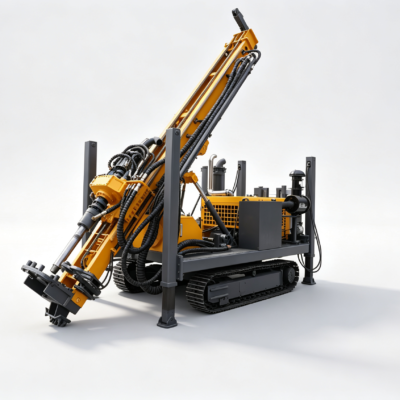
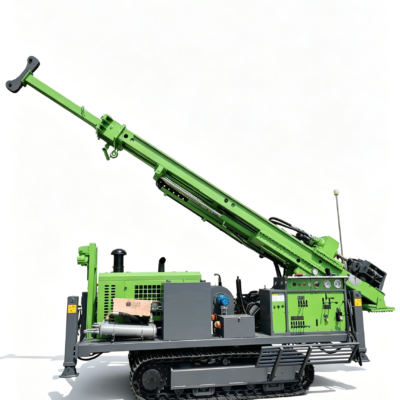
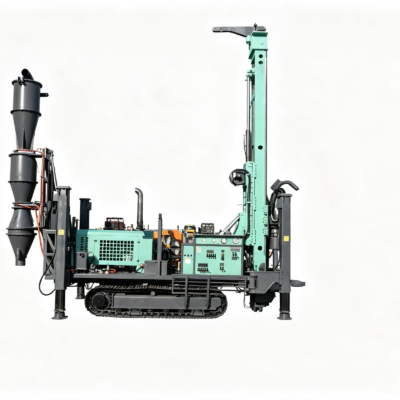
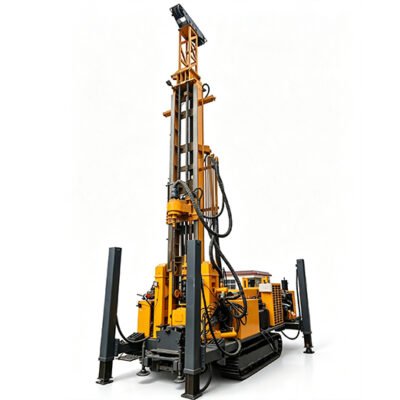
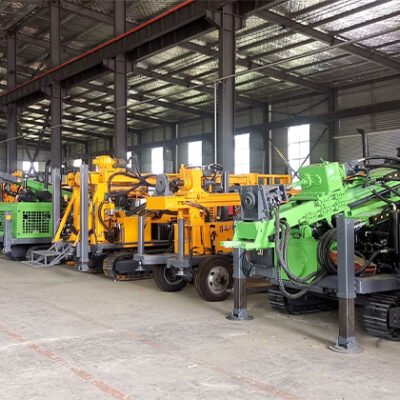
Access to water is one of the most important challenges in agricultural production. Conventional well construction can require substantial time and labor, while unsuitable equipment may also waste energy and resources. Pneumatic water well drilling rigs provide a more efficient option for many agricultural and rural water projects.
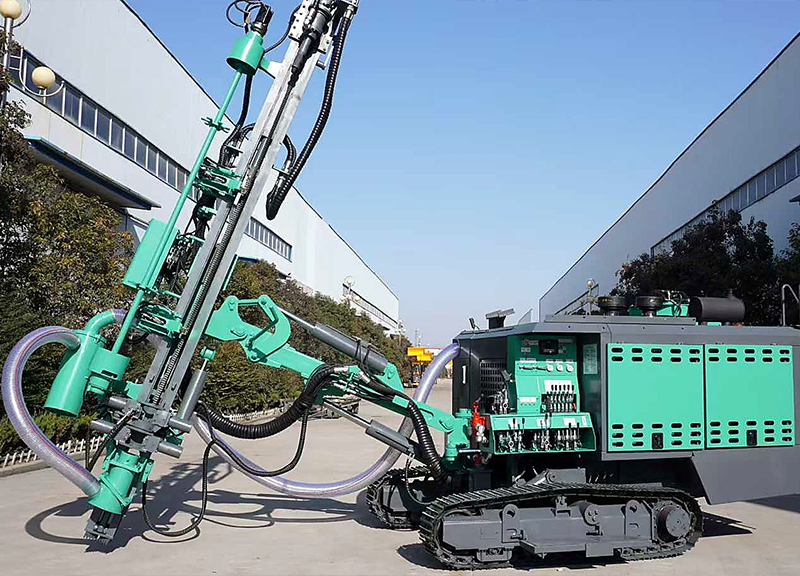
Working Principle
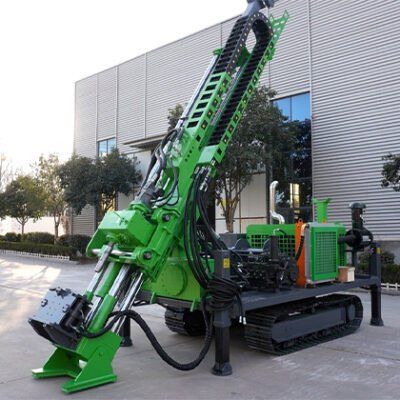
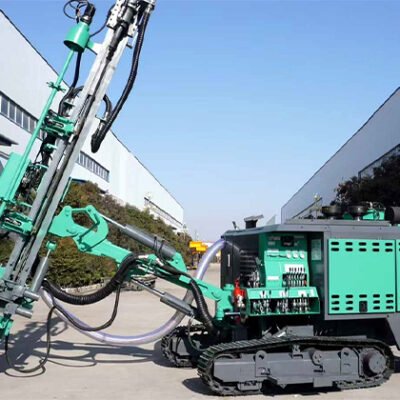
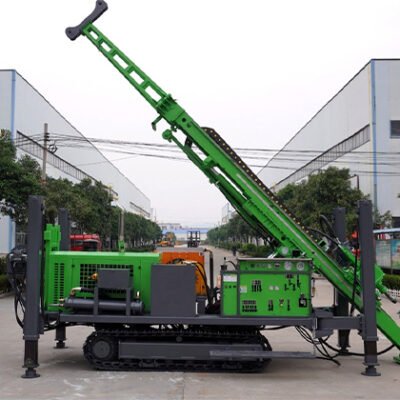
The rig uses compressed air to drive a down-the-hole hammer or related drilling tool. The impact action breaks the formation while airflow helps carry cuttings out of the borehole. This combination allows the rig to work effectively in many soil and rock conditions when the compressor, drill bit, hammer, and drilling parameters are correctly matched.
Efficient and Economical Operation
A major advantage is the ability to complete drilling work in a shorter period, reducing labor and project time. Efficient penetration can improve equipment utilization and help contractors control operating costs. Actual energy consumption depends on compressor selection, hole diameter, formation hardness, and drilling depth.
Simple Operation and Strong Adaptability
The controls are designed for practical field use, and operators can usually become familiar with the machine after systematic training. Crawler configurations and adjustable drilling systems enable work in plains, mountainous areas, dry regions, and other demanding sites.
Maintenance and Future Prospects
Routine inspection, lubrication, hose checks, drill tool maintenance, and compressor servicing are important for dependable performance. As the technology develops, pneumatic rigs will increasingly incorporate better monitoring, improved controls, and more efficient power matching, supporting the modernization of agricultural water infrastructure.